Cultivating Cozy Vibes: Plant Placement Secrets for a Visually Pleasing Home
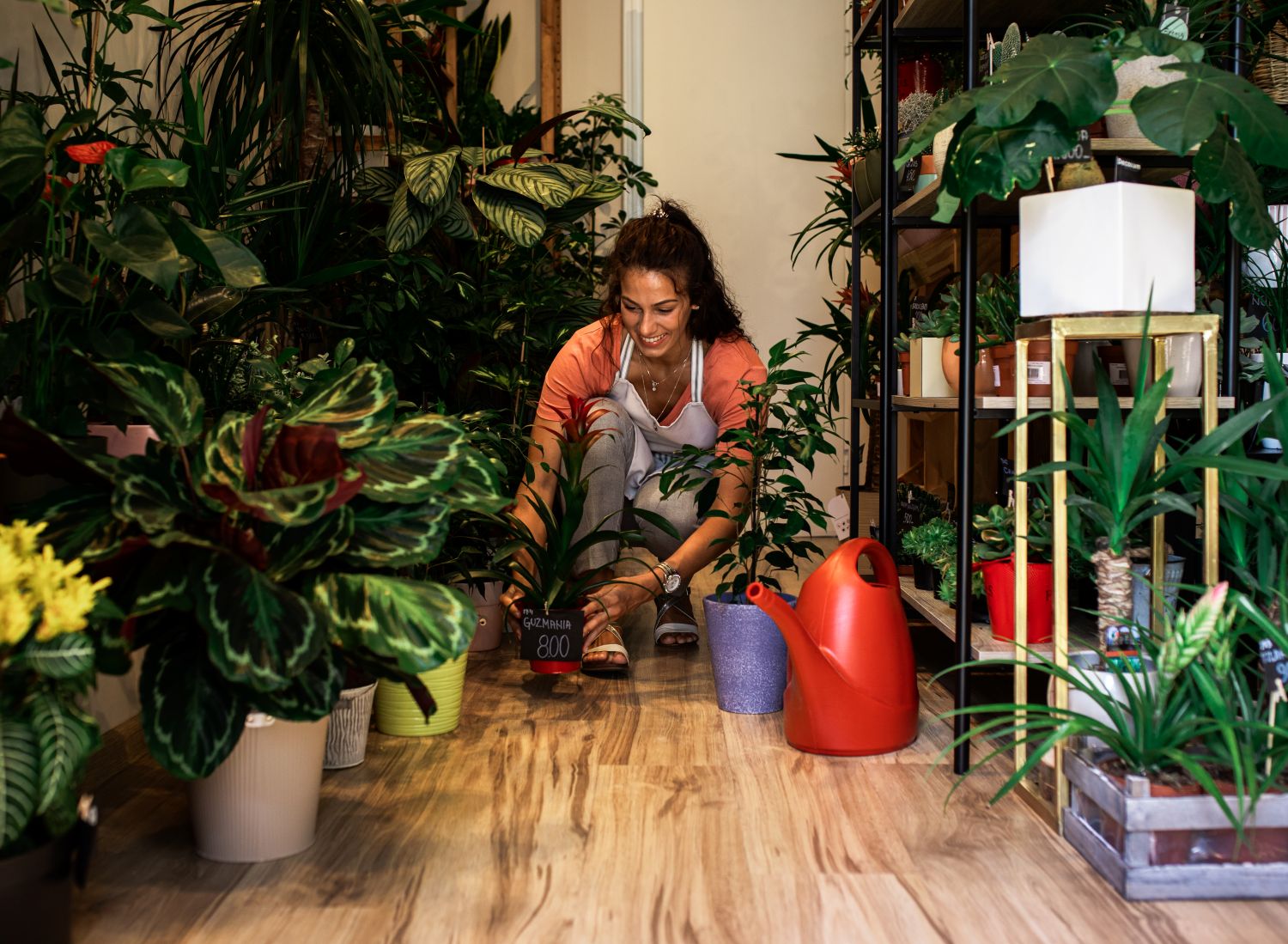
Creating a warm and inviting atmosphere in your home can be achieved through various design elements, but one of the most effective and aesthetically pleasing methods is incorporating plants. Not only do plants enhance the visual appeal of your space, but they also improve air quality and promote a sense of well-being. However, the key to reaping these benefits lies in the strategic placement of your plants. In this article, we’ll explore plant placement secrets that can help you cultivate cozy vibes and elevate the overall ambiance of your home.
Understanding the Power of Plant Placement
The Role of Light
Before diving into specific placement techniques, it’s essential to consider the light conditions in your home. Different plants have varying light requirements, so understanding how much natural light each area receives is crucial. Here are some general categories:
- Bright, Direct Light: South-facing windows often provide the most light. Plants like succulents, cacti, and spider plants thrive in these conditions.
- Bright, Indirect Light: East or west-facing windows offer bright but indirect light. Consider placing pothos, peace lilies, and ferns in these areas.
- Low Light: North-facing windows or rooms with minimal natural light can still support low-light plants like snake plants, ZZ plants, and pothos.
Enhancing Visual Interest
When strategically placing plants in your home, think about creating visual interest through height, color, and texture. Here are some tips to consider:
- Layering Heights: Use plants of varying heights to create depth and dimension. Tall plants, such as fiddle leaf figs or dracaenas, can serve as focal points, while medium-sized plants like rubber trees can be placed nearby. Smaller plants can fill in gaps on shelves or tabletops.
- Grouping Plants: Grouping plants together can create a cohesive and visually appealing display. Use odd numbers for groupings (such as three or five) to create a more natural look. Mix and match different types of plants, but try to keep a consistent color palette or theme for a harmonious feel.
- Incorporating Planters: The choice of planters can significantly impact the overall aesthetic. Choose pots that complement your interior design style—ceramic pots for a rustic look, sleek metal for modern decor, or woven baskets for a bohemian vibe.
Strategic Plant Placement Tips
1. Entryway
The entryway sets the tone for your home, so consider placing a tall, statement plant near the door to create an inviting atmosphere. A snake plant or a monstera can make a striking impression while also purifying the air.
2. Living Room
In the living room, use plants to soften hard edges and create a cozy vibe. Place medium-sized plants on side tables or shelves, and consider a large floor plant in a corner to fill empty space. Hanging plants, like pothos or string of pearls, can add visual interest above eye level.
3. Kitchen
The kitchen is a great place for herbs and smaller plants. Consider placing a windowsill herb garden with basil, rosemary, or mint. Not only do they add green to your kitchen, but they also provide fresh ingredients for cooking.
4. Bedroom
In the bedroom, opt for calming plants that promote relaxation. Lavender, peace lilies, and snake plants are excellent choices. Place them on bedside tables or dressers, but ensure they are not overcrowding the space. A small plant on a nightstand can create a serene environment.
5. Bathroom
Bathrooms often lack natural light, but there are still plant options that thrive in humidity. Consider placing ferns, spider plants, or bamboo in your bathroom. Use shelves or hanging pots to maximize space and create a spa-like atmosphere.
6. Home Office
Enhance your productivity by incorporating plants into your home office. Consider a small desk plant, such as a succulent or a peace lily, to improve air quality and create a calming workspace. Position it where you can easily see it while working to boost your mood and creativity.
Final Touches: Care and Maintenance
While placement is crucial, maintaining your plants is equally important for a visually pleasing home. Here are a few tips:
- Regular Watering: Establish a watering schedule based on each plant’s needs to keep them healthy and vibrant.
- Dusting Leaves: Clean the leaves of your plants regularly to remove dust and allow them to absorb more light.
- Rotate Plants: Occasionally rotate your plants to ensure they receive even light exposure and maintain balanced growth.
Conclusion
Incorporating plants into your home design is an effective way to cultivate cozy vibes and enhance the visual appeal of your space. By understanding light requirements, using strategic placement, and maintaining your plants, you can create a lush and inviting environment that reflects your personal style. Whether you’re a seasoned plant parent or just starting your green journey, these plant placement secrets will help you transform your home into a serene sanctuary filled with life and beauty. Embrace the power of plants, and watch as your living space flourishes!
Related Post
Exploring the Hottest Design Trends for 2024
As we step into 2024, the world of design is buzzing with fresh ideas and [...]
Smart Choices for Bangkok Luxury Condo Rentals
Finding the ideal luxury condo bangkok for rent can be daunting, especially for newcomers or [...]